By Daniel R. · Updated 2026-08-20 · 9 min read
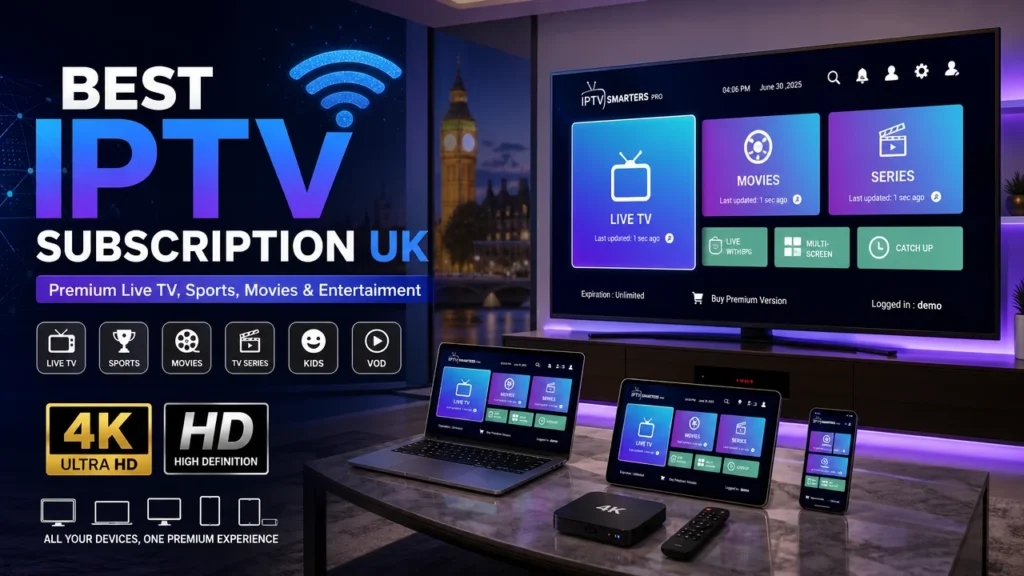
IPTV TV stands for Internet Protocol Television TV, a delivery method that streams live television and on-demand video through your Internet connection instead of a cable box, satellite dish, or antenna. The double “TV” in the phrase is just search redundancy — the core technology is IPTV. It turns your home broadband into a television pipeline, which is why a single provider can offer thousands of channels on a device you already own.
The hero screenshot above shows a typical IPTV home screen with live sports and channel groups. That interface is not the service itself; it is the front end of a subscription feed. When you search “what is iptv tv,” you are really asking three separate questions: how the system works, whether it is legal, and whether it can replace cable. The answers often get buried under recycled myths.
Those myths do real damage. They push people toward cheap unauthorized apps, scare others away from legitimate savings, and create confusion about what a provider actually sells. This guide clears up five common myths and gives you an evidence-based way to evaluate IPTV before spending a dollar.
Why Misconceptions Damage Results
Misinformation has a direct cost. Someone who believes IPTV needs a special box buys hardware they do not need. Someone who thinks all IPTV is illegal stays locked into a cable contract that costs twice as much. Someone who trusts a free app ends up with buffering streams, missing channels, and a possible malware infection.
The search for “best iptv service for firestick” often pulls up sponsored lists full of outdated claims. That is why you need to separate documented reality from marketing noise. The five myths below are the most common ones causing wasted money and poor setups.
Myth 1: IPTV Requires a Special Box or a Jailbroken Device
Reality: IPTV works on hardware you probably already own. A Firestick, Android TV, Apple TV, smart TV, phone, tablet, or computer can run an IPTV app. The method of delivery is software, not hardware. You install an app like TiviMate, IPTV Smarters, or a provider-branded player, enter login credentials or an M3U link, and the stream starts.
How does IPTV work at the technical level? A provider encodes television channels into IP packets and sends them over the internet using protocols like HLS or RTMP. Your app decodes those packets back into video. There is no cable box involved because the box is effectively replaced by an app. That is why a Firestick that costs $40 can replace a rented cable receiver.
This myth hurts results because people buy an expensive dedicated IPTV set-top box when their existing smart TV or streaming stick is already capable. Before shopping for new gear, check whether your current device has an app store and can install IPTV players. In most cases, the answer is yes.
Myth 2: All IPTV Services Are Illegal or Gray Market
Reality: IPTV is a neutral delivery method. Legal IPTV providers include Hulu + Live TV, YouTube TV, Sling TV, Fubo, and many direct network apps. These services hold broadcast licenses and pay content owners. The word “IPTV” describes how the signal reaches you, not whether the content is licensed.
The confusion comes from unauthorized sellers who use the term IPTV to market pirated channel packages. Those services often have no legal standing, no customer support, and disappear without warning. Where to buy an IPTV subscription safely? Start with official app stores, cable replacement services, or authorized resellers that clearly state their licensing and refund policy. If a site advertises “every channel ever” for $10 a month, treat it as a red flag.
Legal IPTV providers exist, and they are viable alternatives to cable. The myth that all IPTV is illegal pushes people away from switching, which means they keep overpaying for a bundled cable package they rarely use.
Myth 3: IPTV Picture Quality Is Always Worse Than Cable
Reality: IPTV can match or exceed cable quality. Many legal IPTV services stream in 4K HDR at 60 frames per second for sports. Cable, on the other hand, often compresses signals heavily to fit hundreds of channels into limited bandwidth. The iptv vs cable tv debate is not a simple quality comparison; it depends on your internet speed, your provider’s server capacity, and your home network.
A poor IPTV experience usually traces back to three things: a cheap or overloaded provider, slow Wi-Fi, or an outdated device. With a stable internet connection of at least 25 Mbps for 4K, IPTV quality can look cleaner than cable, especially on newer TVs. The technology itself is not the limiting factor; the provider is.
Before judging IPTV quality, run a speed test and ask for a trial stream. Watch a live sports event in 1080p or 4K. If it buffers constantly, the provider is the problem — not IPTV as a technology.
Myth 4: Setting Up IPTV Is a Technical Nightmare
Reality: If you can install Netflix, you can set up IPTV. Most modern IPTV apps auto-populate channel lists after you enter login details. The process for how to set up IPTV on a smart TV takes under ten minutes. Here are the numbered steps for a typical smart TV or Firestick:
- Go to your device’s app store and search for an IPTV player like IPTV Smarters, TiviMate, or the provider’s official app.
- Purchase a subscription from a provider you have vetted. You will receive an M3U URL, Xtream codes, or a portal URL.
- Open the IPTV app and enter the credentials exactly as provided.
- Allow the app to load channels. Most apps do this automatically within a minute.
- Test a few live channels, including a high-action sports stream, to confirm stability.
No router configuration, no jailbreaking, no command line. The myth that IPTV is only for tech enthusiasts prevents many people from cutting the cable cord and saving money each month.
Myth 5: Free IPTV Apps Are Good Enough Long-Term
Reality: Free IPTV apps often come with hidden costs. They buffer, serve intrusive ads, lack customer support, and may contain malware. Many free services shut down without warning, leaving you without channels during a big game. Independent discussions on iptv review reddit consistently warn against relying on free apps for anything more than casual testing.
A paid subscription from a stable provider gives you two things free apps cannot: server capacity and accountability. If a paid service goes down, you can contact support or file a dispute. With a free app, you are on your own. The long-term frustration is not worth the $0 price tag.
What Actually Works Based on Evidence
After cutting through the myths, the real evaluation process is straightforward. Here is a numbered approach that prioritizes evidence over marketing claims:
- Request a free trial before paying. Any reputable provider offers a 24-hour to 72-hour trial. Use it during peak viewing hours.
- Check legal standing. Look for licensing information, a business address, and clear refund terms. Avoid services that only accept cryptocurrency or untraceable payment methods.
- Read independent user reviews. Reddit threads and forums are more honest than website testimonials. Search for provider names plus “buffering,” “downtime,” or “support.”
- Verify the channel list includes what you actually watch. If you need an IPTV channels list USA, confirm that local networks, regional sports, and news channels are included.
- Test on your intended device. A provider that works perfectly on a phone might struggle on a Firestick. Install the app on the device you will use daily.
- Check payment flexibility. Start with a monthly plan before committing to a year. A provider confident in its service will not pressure you into an annual contract.
- Evaluate support response time. Send a pre-sales question and see how long the reply takes. Slow support before purchase usually means slow support after.
Popular Belief vs Reality at a Glance
Pros and Cons of IPTV TV
✓ Benefits & Pros
Device flexibility — works on Firestick, smart TV, tablet, phone, and PC.
Lower monthly cost than traditional cable or satellite bundles.
Large channel selection including US and international options.
No long-term contracts with many legal providers.
Cloud DVR and on-demand libraries often included.
✗ Limitations & Cons
Quality depends heavily on your internet speed and home network.
Provider reliability varies — some services buffer during peak hours.
Unauthorized providers pose legal and security risks.
Slight learning curve for first-time app setup.
Local channel availability can vary by region and provider.
RECOMMENDED RESOURCE
what is iptv tv
Access zero-contract options and instant delivery specs.
See what is iptv tv Pricing →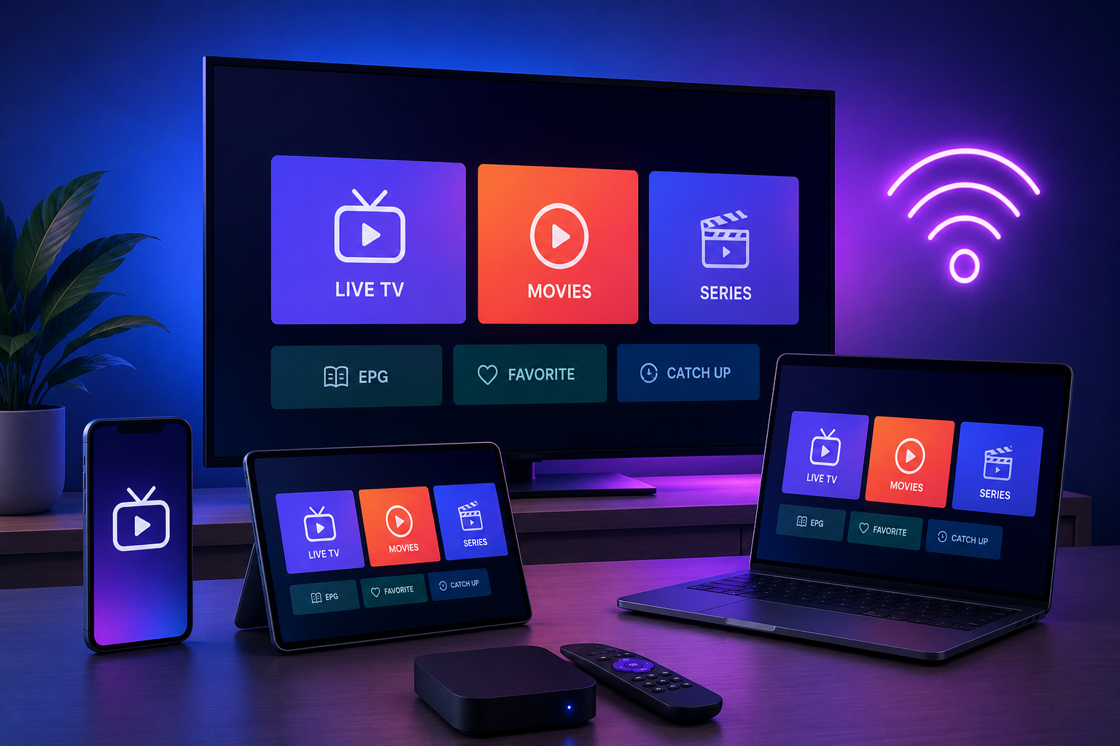
The diagram above illustrates the core difference in delivery. IPTV does not require a dedicated cable line or satellite receiver. The same internet connection you use for browsing and streaming also carries live TV channels. That is why legal IPTV providers can offer flexible plans without sending a technician to your home.
Review up-to-date regional server maps and infrastructure.
View the what is iptv tv Platform →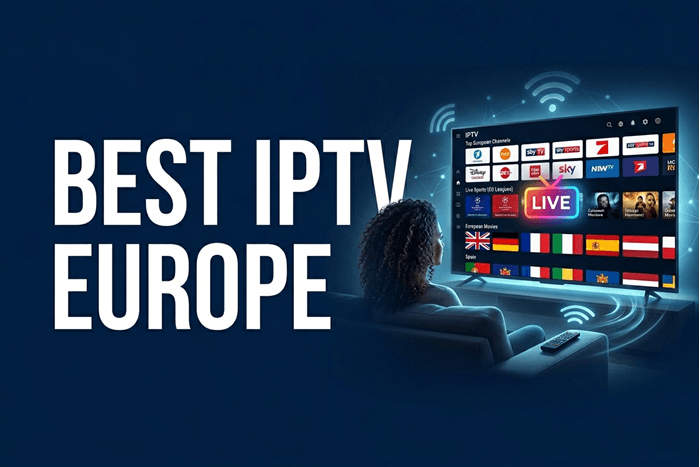
When comparing providers, ask for a current channel list. The screenshot above shows how IPTV organizes channels by region and genre. Look for the specific networks you watch — local US affiliates, regional sports, news, and entertainment. A provider that cannot show a clear list or avoids the question is likely hiding gaps.
Bottom line: the evidence shows IPTV is a flexible, legal, and often more affordable alternative to cable when you choose a licensed provider and test before committing. The real waste happens when you believe the myths and either avoid the technology entirely or rush into a free app that fails during the first big game.
Featured Streaming Selection:
Find Out More About what is iptv tv →Affiliate Disclosure: Clicking this secure link verified by our network supports our team through standard partnership terms at zero extra cost to your invoice.
Frequently Asked Questions
This article contains affiliate links. Our editorial analysis remains independent.