By Dana R. · Updated 2026-08-14 · 12 min read
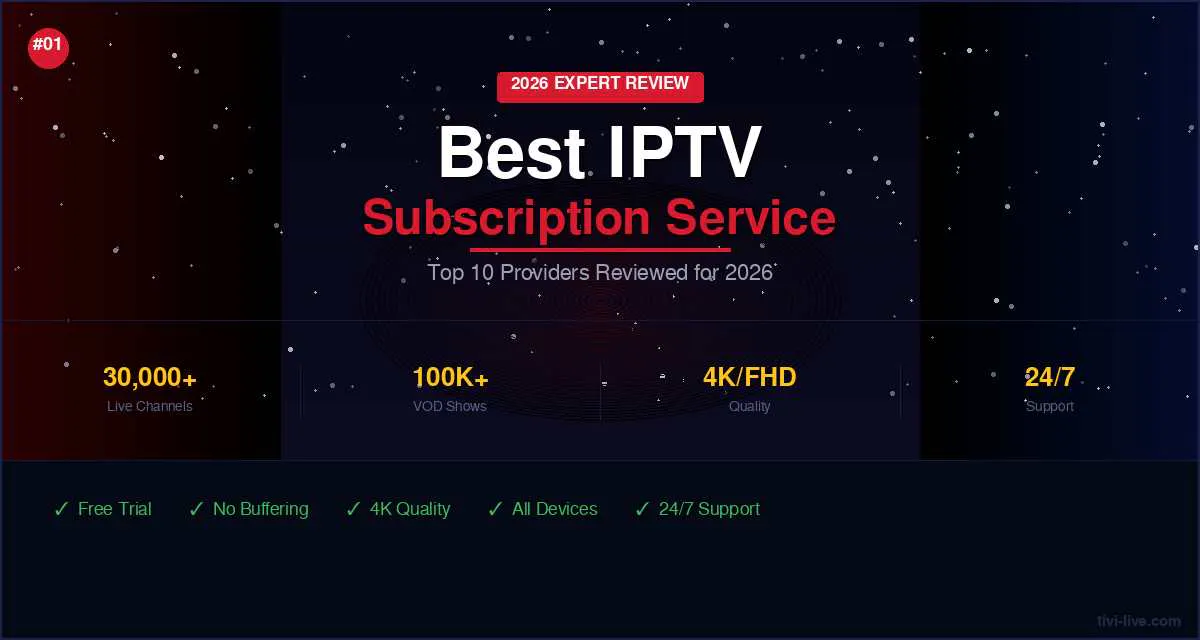
The picture above shows the two options you are probably weighing: a dedicated IPTV box and an Amazon Fire TV Stick. Both can run the same IPTV apps and connect to the same TV. The difference is in the network hardware, app flexibility, and how each device handles 4K streams.
Before you choose a subscription, you need to choose the device. A dedicated IPTV box usually gives you ethernet, more RAM, and the freedom to install apps from any source. A Fire Stick gives you a familiar remote, Netflix, Prime Video, and a compact dongle that hides behind the screen.
So which should you buy? The answer depends on what you watch, how your internet reaches the TV, and how comfortable you are with installation. This comparison looks at both options honestly.
Why the IPTV Box Choice Is Harder Than It Looks
Most IPTV providers give you the same login details for any Android device. That is why a $30 box and a $150 box can look identical at first. The difference appears when you open a live channel in 4K, when the audio drifts from the picture, or when your Wi-Fi signal drops during a big match.
A weak IPTV box can still connect to HDMI and open apps. It may even play video for a while. Then the buffering starts, the box restarts itself, or the remote feels slower than it should. This is why the phrase 4K IPTV box review only helps if the reviewer actually tests network stability and codec support.
Separate the device decision from the subscription decision. The device controls performance; the subscription controls channels, EPG accuracy, and whether you are using a licensed service. Use a provider with clear legal status and transparent terms, then choose hardware that does not hold it back.
Criteria That Actually Matter in an IPTV Box
When you compare devices, leave the brand name at the door. Focus on five things that affect day-to-day use:
Hardware checklist
1. Network: ethernet port or at least dual-band Wi-Fi 5/6.
2. RAM and storage: 2GB/16GB is the minimum; 4GB/32GB is safer for heavy IPTV apps.
3. Codec support: H.265, VP9, and ideally AV1 for 4K streams.
4. Remote and UI: a clean Android TV launcher is easier to use than a random clone interface.
5. Updates: certified devices receive patches; cheap clones often do not.
For live sports, the network is the most important criterion. The best IPTV box for live sports usually has a gigabit ethernet port. That avoids Wi-Fi interference from neighbor networks and keeps the bitrate stable. If you cannot run a cable, choose a box with a decent dual-band Wi-Fi adapter rather than a single-band chip.
For a simpler experience, make sure the device has Google Play Store or at least allows APK installation. This matters because some IPTV apps are not in the Amazon Appstore. On a Fire Stick, you may need to sideload those apps, which adds another step.
IPTV Box vs Fire Stick: Side-by-Side
This table is not about declaring one device the overall winner. It shows the direction each device is built toward. Dedicated boxes lean toward flexibility and network hardware. The Fire Stick leans toward convenience and mainstream app support.
Option A: Dedicated IPTV Box
A dedicated IPTV box is a small Android media player designed to sit near your TV and run IPTV apps like TiviMate, IPTV Smarters, or IBO Player. Unlike a streaming stick, it has a larger chassis, more ports, and usually a better remote.
Most devices in this category use Amlogic or Rockchip processors, 2GB to 4GB of RAM, and a Wi-Fi antenna. A well-built one supports 4K output, HDR, and common codecs. A poorly-built one might have the same printed specs but weak Wi-Fi, outdated firmware, and no updates.
The best IPTV box for live sports in this category will include an ethernet port. Wired internet is still the most reliable way to handle high-bitrate sports streams. If you cannot use ethernet, look for a box with dual-band Wi-Fi and an external antenna.
✓ Dedicated Box Benefits
Ethernet port on most models, which helps live sports channels stay stable.
Easier to install IPTV apps from any source, including APK files.
Better cooling than a small dongle during long viewing sessions.
Remotes often have number keys and custom app buttons that feel like a cable box.
✗ Dedicated Box Limitations
Too many low-quality clones look identical and can stop receiving updates.
Android TV certification is not guaranteed on cheaper boxes.
Takes more space on your TV cabinet and needs a power adapter.
Setup can feel manual if you need to allow unknown sources and install APKs.
RECOMMENDED RESOURCE
iptv box
Review up-to-date regional server maps and infrastructure.
View the iptv box Platform →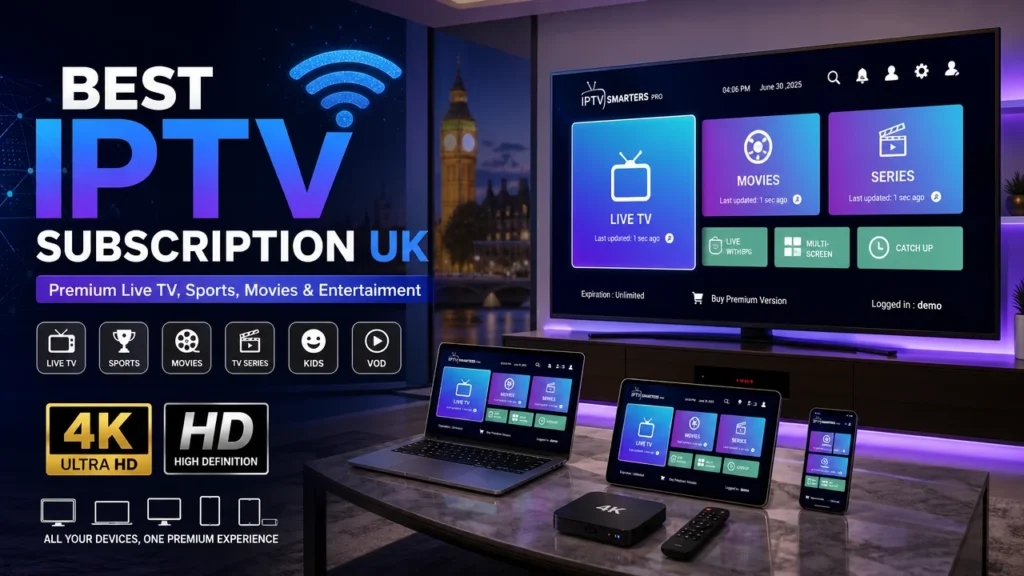
The panel above shows what most IPTV providers look like after you log in. The menu groups content by sport, movies, series, and live TV. This layout works the same on a dedicated box and a Fire Stick; the device just needs enough RAM and network speed to keep the menu responsive.
Option B: Fire TV Stick With IPTV Apps
The Amazon Fire TV Stick is the most mainstream streaming dongle in North America. It runs on Fire OS, which is Android underneath but with a different launcher and app store. For regular streaming services, this is one of the easiest devices to recommend.
For IPTV, you can install apps from the Amazon Appstore through the search function. If the app you want is not there, you can sideload it using the Downloader app. That works, but Amazon sometimes changes the warning screens and settings menus, so the process feels less polished than on a normal Android box.
The Fire Stick is a great choice if you already use Prime Video, Netflix, and Disney+. It is quiet, small, and regularly updated. The main trade-off is that the base model has only 1.5GB of RAM, and there is no ethernet port without buying a separate adapter.
✓ Fire Stick Benefits
Familiar Amazon remote and Alexa search work right out of the box.
Native support for Netflix, Prime Video, Disney+, and Dolby Vision.
Compact and hides behind the TV, so it takes no visible shelf space.
Regular automatic updates from Amazon.
✗ Fire Stick Limitations
No built-in ethernet port; the official adapter costs extra.
Some IPTV apps are not in the Amazon Appstore and must be sideloaded.
Base model RAM can make heavy IPTV apps feel sluggish.
Amazon controls the interface and can restrict certain Android settings.
Compare premium line configurations and promotional limits.
Check Out iptv box Deals →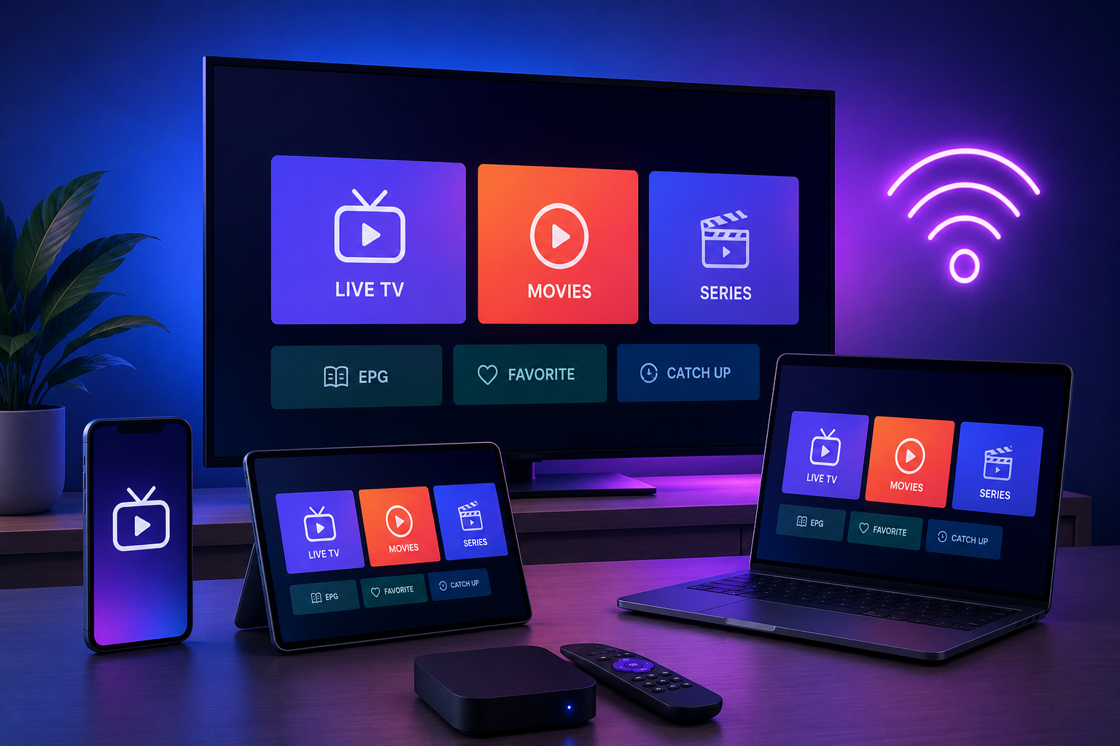
How to Set Up an IPTV Box
The photo above looks familiar because the screen is what most people focus on. The setup behind the screen is where the two options really differ. Here is a clean way to set up an IPTV box without missing important steps:
- Connect the box to your TV with HDMI and plug in the power cable.
- Connect to the internet using ethernet or your Wi-Fi network.
- Install an IPTV player from the Google Play Store or from a trusted source.
- Open the app and enter the server URL, username, and password from your provider.
- Load the channel list and check that the EPG shows program names correctly.
- Test a live sports channel to see if the stream stays stable.
Best Option by Budget
If your budget is under $35, the Fire TV Stick Lite or a basic Android box with dual-band Wi-Fi can handle casual IPTV use. A cheap IPTV box with Wi-Fi will work for standard channels, but do not expect flawless 4K sports on a $25 device.
Between $35 and $70, you have better options: the Fire TV Stick 4K Max or a dedicated Android box with 2GB RAM and gigabit ethernet. This is the sweet spot for most people who want reliable IPTV without spending a lot.
Above $70, you are paying for faster processors, more RAM, better build quality, and longer software updates. That makes sense if IPTV is your primary TV system and you also use heavy apps like Kodi.
Best Option by Experience Level
If you are new to IPTV, the Fire Stick is easier to recommend. You already know the remote, the app store is safe, and Amazon handles system updates. Sideloading is a small hurdle, but the rest of the experience feels familiar.
If you understand APK files, custom launchers, and network settings, a dedicated IPTV box gives you more control. You can change default apps, connect a USB drive, install a different launcher, and adjust video output settings that Fire OS keeps hidden.
Recommendation by User Profile
Live sports superfan: A dedicated IPTV box with ethernet and 4GB RAM is the safer choice. It keeps high-bitrate streams stable and gives you more settings to adjust the video output.
Family that uses Netflix, Prime, and IPTV: The Fire Stick is more convenient. Native Dolby Vision support and a simple remote make it the least intimidating option.
Cord-cutter replacing cable entirely: A dedicated IPTV box with a custom launcher feels closer to a traditional cable box. It supports better EPG apps and removes any Amazon-centric design choices.
Multiple TVs: Use the same device on every TV and make sure your IPTV subscription allows enough simultaneous connections. Neither device can stream to two TVs at once.
Final Pick: Match the Device to the Way You Watch
For live sports, network stability, and total control, a dedicated IPTV box is the more reliable option. For anyone who just wants a simple dongle that also handles Netflix and Prime Video, the Fire Stick is perfectly fine. The device only helps you see what the subscription already offers; it cannot fix a weak provider. Choose the box that fits your internet setup, not the one with the loudest packaging.
Featured Streaming Selection:
Explore iptv box Plans →Affiliate Disclosure: Clicking this secure link verified by our network supports our team through standard partnership terms at zero extra cost to your invoice.
Frequently Asked Questions
This article contains affiliate links. Our editorial analysis remains independent.